Who We Are
We Are Family
"And they that shall be of thee shall build the old waste places: thou shalt raise up the foundations of many generations; and thou shalt be called, The repairer of the breach, the restorer of paths to dwell in."
Isaiah 58:12Our Mission
Repairing the Breach
Tikkun HaPeretz, Repairing the Breach, is a global ministry dedicated to returning people to the foundational Word of YaHoWaH. We believe the breach between humanity and the Creator has grown through centuries of tradition, mistranslation, and inherited belief. Our mission is simple: return to what was written, not what was taught.
Through Hebraic teaching, Torah observance, the appointed feast days, and the Sabbath, we walk the ancient paths, together, as family, one step at a time.
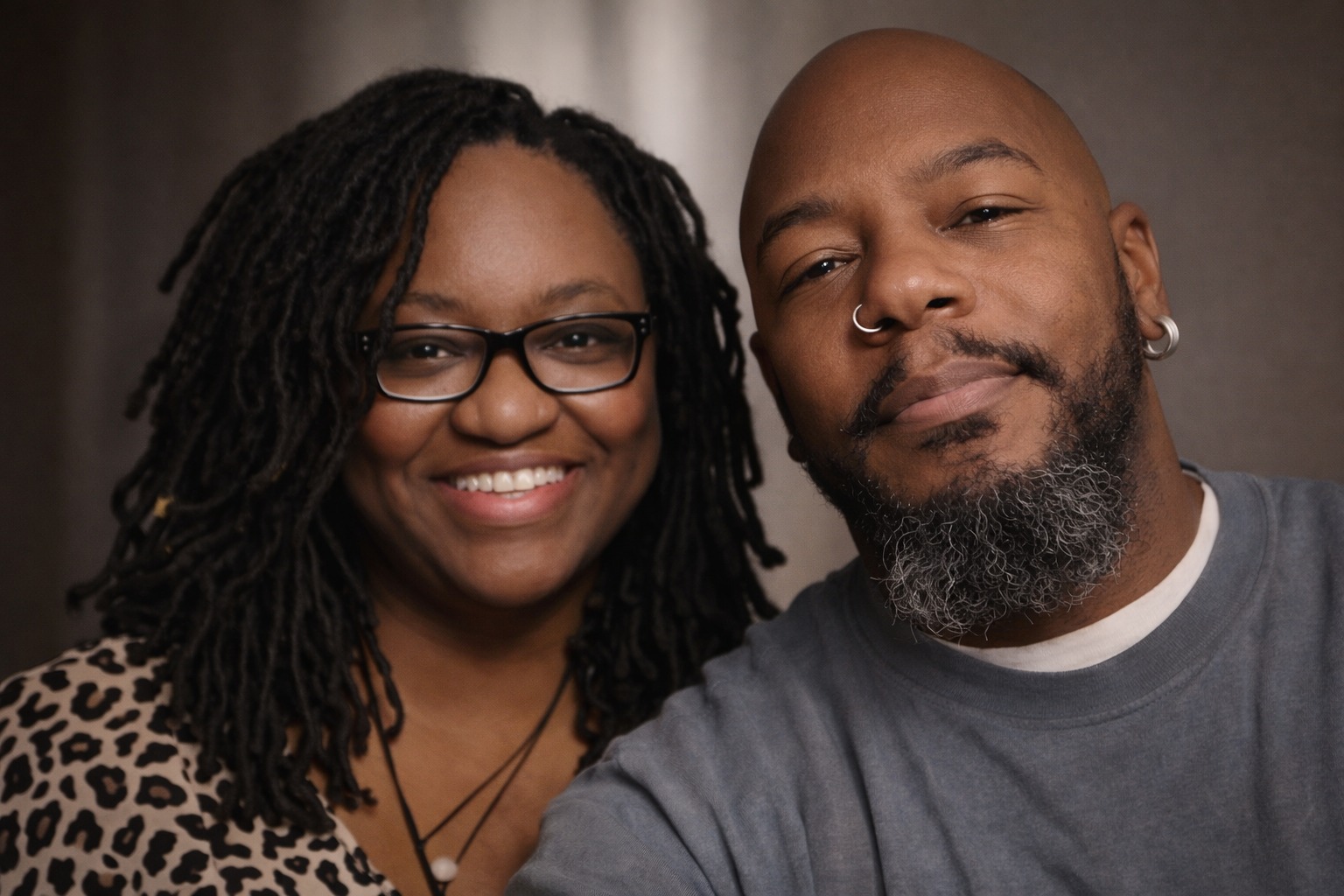
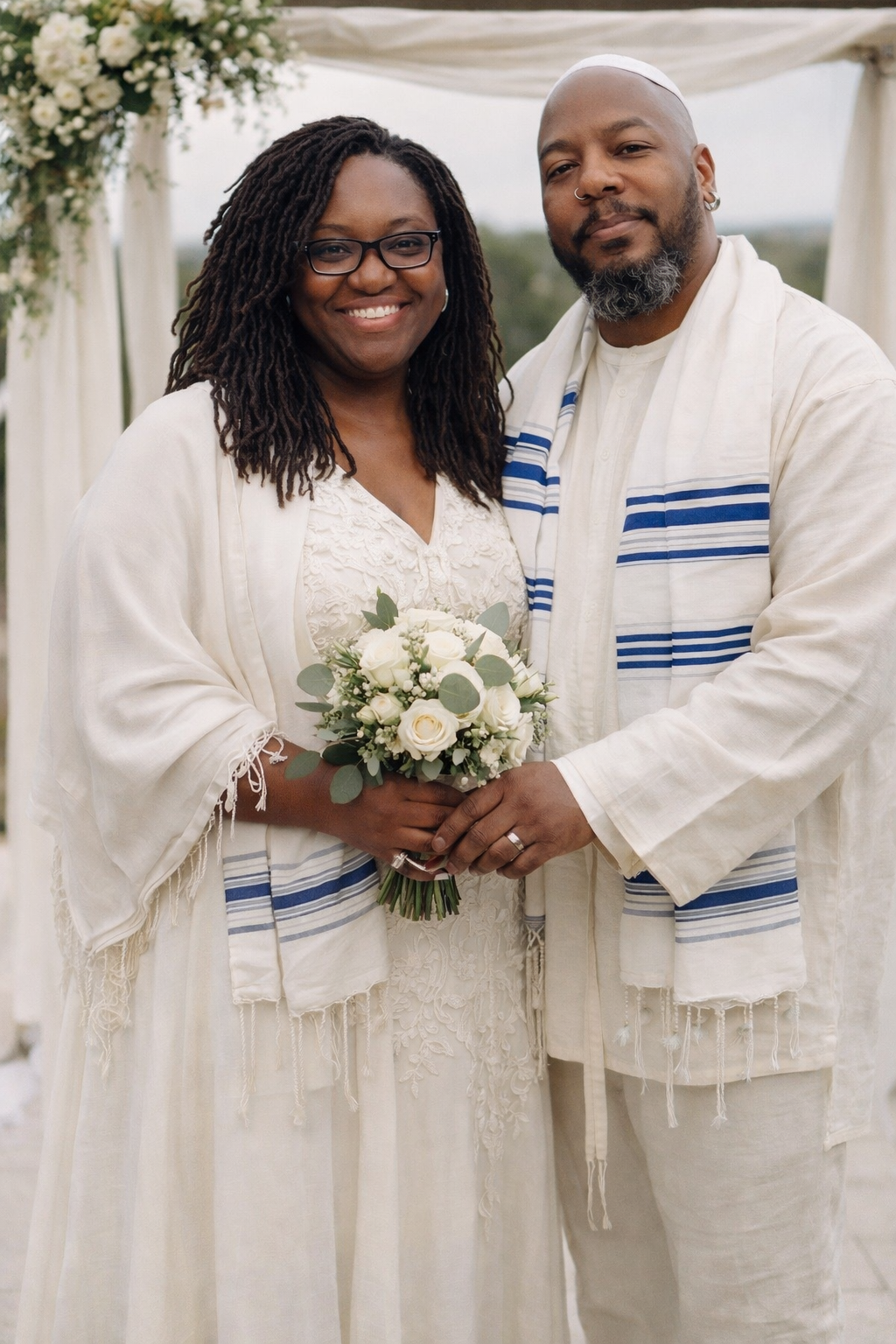
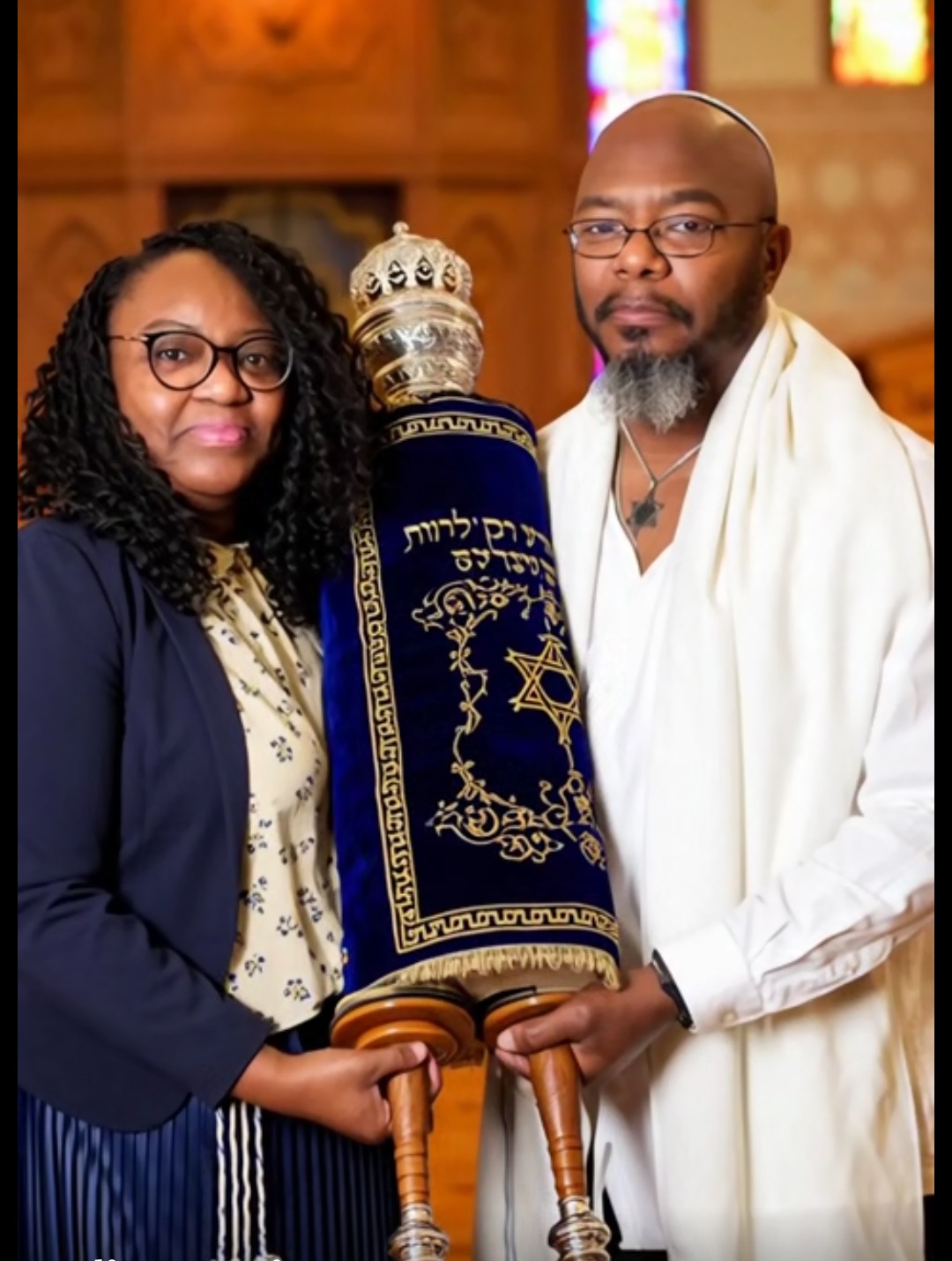
Sarah-Naviah & Yahel Ezra Ben Lewi
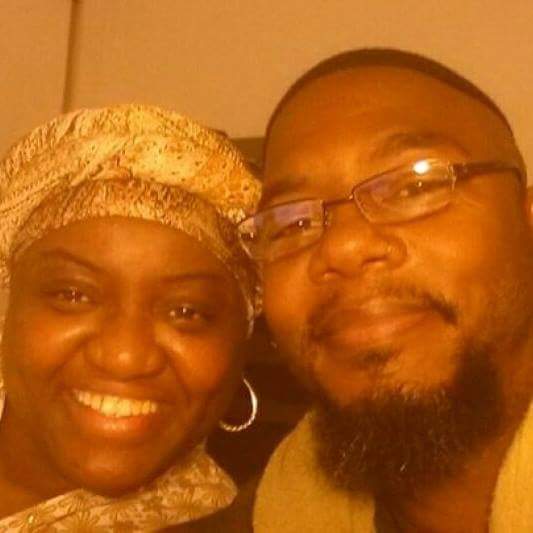
Lolita Todd & Kirk Todd
Our Foundation
What We Believe
YaHoWaH Is One
YaHoWaH is the one true God, eternal, unchanging, and not a man. There is no God beside Him, before Him, or after Him. He does not share His glory.
Scripture Is the Tanakh [Old Testament]
Scripture refers exclusively to the Tanakh [Old Testament], the Torah, Nevi'im (Prophets), and Ketuvim (Writings). These are the Hebrew Scriptures given by YaHoWaH to His people.
Torah Has Not Been Abolished
The Torah is the living instruction of YaHoWaH. It has never been cancelled, replaced, or made obsolete. It stands for all who walk with Him.
The Messiah Has Not Yet Come
The Tanakh [Old Testament] gives specific and verifiable requirements for the Messiah. Those requirements have not yet been fulfilled. We wait for the one who will fulfill them completely.
His Name Matters
The personal name of the Creator is YaHoWaH. It appears over 6,800 times in the Hebrew text. It was never meant to be hidden, replaced, or forgotten.
The Sabbath and the Appointed Times
The Sabbath is the seventh day. The Moedim (appointed times) of YaHoWaH are His scheduled meetings with His people. Both remain in full effect.
Our Identity and Lineage
We believe we are the biblical descendants of Abraham via Israel (Jacob). Our identity, our calling, and our covenant are rooted in that lineage. We also recognize and embrace that our ancestors fit the description of those found in Devarim (Deuteronomy) 28:15-68, a people who strayed from the way of YaHoWaH and were scattered to the four corners of the earth as a consequence of that departure. We do not run from this history. We own it. And we believe that owning it is the first step toward the restoration YaHoWaH promised to those who return to Him with their whole heart.
The Oral Torah
We study the Oral Torah as a relevant and needed resource for understanding how to apply the commandments and walk them out in daily life. These teachings are needed in this hour.
Yeshua Is Not God and Is Not the Promised Messiah
We do not hold that Yeshua is YaHoWaH (see teaching: Is Jesus God? · Part 1) or the promised Messiah (see teaching: Is Jesus the Promised Messiah? · Part 2). YaHoWaH declared He is not a man and cannot become one. The Messiah must be a human king who fulfills specific requirements. Those requirements have not been met. We challenge every visitor to examine these questions using Scripture alone.
Torah Is for Everyone Who Will Receive It
We believe the Torah is open to all people regardless of bloodline or color. Anyone willing to submit to the precepts and instructions of YaHoWaH and embrace the customs and traditions of the community is welcome at this table. Just as Ruth aligned herself with Naomi, submitted to her people, their ways, and their God, her Moabite heritage did not stop YaHoWaH from honoring her commitment. She was found in the lineage of King David. YaHoWaH does not turn away the willing heart.
"Also the sons of the stranger, that join themselves to YaHoWaH, to serve him, and to love the name of YaHoWaH, to be his servants... Even them will I bring to my holy mountain."
Yeshayahu (Isaiah) 56:6-7
We Refuse Division. We Repair the Breach.
We will not stand as part of a holy priesthood and shout hate from the rooftop because of skin color. That is not the ancient path. That is another breach. We stand on the Word of YaHoWaH which says plainly:
"And if a stranger sojourn with thee in your land, ye shall not vex him. But the stranger that dwelleth with you shall be unto you as one born among you, and thou shalt love him as thyself."
Vayikra (Leviticus) 19:33-34
This is part of the breach that must be restored. We are Repairers of the Breach, and that includes repairing the breach between peoples.
Sarah-Naviah Lewi
Co-Founder · Torah Teacher & Writer · Publisher · Repairer of the Breach
The Name Behind the Calling
Tikkun HaPeretz, תִּקוּן הַפֶּרֶץ, comes directly from the mouth of YaHoWaH in Yeshayahu (Isaiah) 58:12. The word tikkun carries the sense of restoring something to its proper, original condition, not creating something new, but returning what is broken to what it was always meant to be. This is the work Sarah-Naviah was called to before she had the language to name it.
Who I Am
My name is Sarah-Naviah Lewi. I am a student and teacher of the Torah, writer, publisher, and co-founder of Tikkun HaPeretz Global Missions alongside my husband and Torah teacher, Yahel Ezra Ben Lewi. For more than twenty years I served in Christian ministry under the name Repairing the Breach Ministries. That season was not wasted. It was preparation. I founded this ministry before I met Yahel. What I carried alone for years, we now carry together.
A Journey Through the Breach
Through study, prayer, and the kind of honest reckoning that costs something, I stepped away from institutional Christianity and into a deeper, Torah-grounded walk with the Elohim (God) of Abraham, Yitzchak (Isaac), and Ya'akov (Jacob). I did not lose my faith. I found its roots.
How I Teach and Serve
I meet people where they are. My approach to teaching YaHoWaH's word is built on simplicity, grounded in Scripture, and anchored in real life. I do not teach people what to think. I teach people how to look at the Word honestly, how to let it speak for itself, and how to bring it into the ordinary moments of every day. I call this Living and Learning. It is not a program. It is a posture. A willingness to let the Word of YaHoWaH reshape how you think, how you speak, and how you move through the world.
Every teaching I produce starts with the biblical text, moves through practical modern-day examples, and ends with a call to apply what was learned, not someday, but today. My focus is not information. It is transformation. I believe change is possible for anyone willing to take the first step, and I teach with that conviction in every session.
Through Divine Global Connections Publishing, I produce teaching materials, study resources, and written works that carry this same spirit. I am also the founder of the Write the Torah Challenge, an eleven-year-old Facebook community that has inspired hundreds to engage with the Torah by hand-writing it, word by word. There is something that happens when your hand moves across the page carrying YaHoWaH's words. Something shifts.
The Breach That Must Be Repaired
The breach is not a mystery. Repairing it means going back to the ancient paths, because the covenant YaHoWaH cut with Yisrael has never been revoked. That is the work of this site. That is the work of my life.
Yahel Ezra Ben Lewi
Servant of YaHoWaH · Teacher of Torah · Repairer of the Breach
The Name Behind the Mission
Tikkun HaPeretz, תִּקוּן הַפֶּרֶץ, comes directly from the mouth of YaHoWaH in Yeshayahu (Isaiah) 58:12. YaHoWaH calls His people to be goreder peratzim, rebuilders of the breach, those who restore the ancient paths so that others may walk on them again.
Who I Am
My name is Yahel Ezra Ben Lewi. I am a Yehudi, an Israelite, committed to reading the covenant text on its own terms, in its own language. I study and teach alongside my wife Sarah-Naviah Lewi through our ministry and YouTube channel, Servants of YaHoWaH.
How I Teach
Every teaching I produce is built on a four-layer format: the Hebrew Masoretic text, phonetic transliteration, a literal English rendering with YaHoWaH's name fully restored, and the PeShaT, the plain contextual meaning. My goal is to equip every student to stand before the written Word without a middleman.
The Breach That Must Be Repaired
Repairing the breach means going back to the ancient paths, because the covenant YaHoWaH cut with Yisrael at Sinai has never been revoked. That is the work of this site. That is the work of my life.